California, New York & Texas: State BOI Rules Every LLC Must Know in 2026
Federal exemption does not protect you from aggressive state-level transparency laws. Even if FinCEN no longer requires your domestic LLC to file a BOI report, California, New York, and Texas each have their own compliance mandates that could catch you off guard.
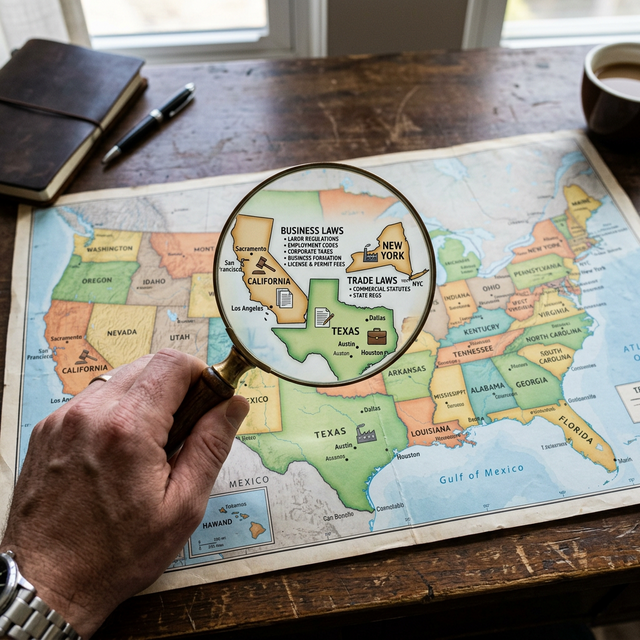
The Federal Exemption Gap
In March 2025, when the Treasury Department carved out the expansive "Domestic Ownership Exemption" for BOI reporting, millions of American LLC owners breathed a collective sigh of relief. But what many business owners failed to realize is that the federal government's retreat created a vacuum-and several major states rushed to fill it.
The reasoning is straightforward: state legislators argue that transparency at the state level remains critical for combating local corruption, real estate fraud, and tax evasion schemes that operate entirely within state borders.
New York: The LLC Transparency Act
New York was the first major state to enact its own "mini-CTA." The New York LLC Transparency Act (NYLLCTA) took effect on January 1, 2026, and requires:
- All LLCs formed or registered in New York to disclose beneficial owners to the NY Department of State.
- Filing within 30 days of formation for new LLCs, or within the first year for existing entities.
- Annual updates if ownership changes occur.
NY Penalties Are Severe
Failure to comply with the NYLLCTA can result in suspension or cancellation of your LLC's authority to do business in New York-effectively shutting you down.
California: Statement of Information Overhaul
California has long required LLCs to file a Statement of Information (Form LLC-12) every two years with the Secretary of State. In 2026, the state enhanced this requirement to include:
- Disclosure of all members and managers holding 25% or more ownership.
- Additional details about the nature of the business and its principal offices.
- An increased filing fee reflecting the administrative cost of the expanded disclosure.
While California has not yet enacted a full "mini-CTA," the expanded Statement of Information effectively captures much of the same data that a federal BOI report would have required.
Texas: The Franchise Tax Transparency Push
Texas takes a different approach. Rather than creating new legislation, the Texas Comptroller's office has expanded the annual franchise tax report to include beneficial ownership fields starting in the 2026 reporting cycle.
- All entities filing a Texas franchise tax report must now disclose individuals with "substantial control."
- The definition mirrors the old FinCEN standard: anyone with 25%+ ownership or who exercises significant management authority.
- Non-disclosure carries enhanced audit risk and potential penalties tied to franchise tax delinquency.
Your 2026 State Compliance Checklist
- Check Your State's Secretary of State WebsiteLook for any new beneficial ownership disclosure requirements that may have taken effect in 2026.
- Don't Assume Federal Exemption = Total ExemptionYour federal BOI pass does not override state-level mandates. Treat them as completely separate obligations.
- Calendar All DeadlinesNew York, California, and Texas each have different filing windows. Missing them can result in penalties or loss of good standing.
Conclusion
The 2026 compliance landscape is a patchwork. While the federal government has largely freed domestic LLCs from BOI reporting, individual states are filling in the gaps with their own transparency mandates. If you operate in California, New York, or Texas, make sure you understand your local obligations-federal exemption alone won't keep you safe.
Need Help with State-Level Compliance?
Our team tracks compliance requirements across all 50 states. Let us ensure your LLC meets every single obligation.
Related Articles
New York LLC Transparency Act 2026: What Foreign Owners Must File by Jan 1
NY's new law imposes state-level BOI requirements regardless of your federal exemption status.
NY BOI Law Starts January 2026 - Even If Federal BOI Is Exempt
New York marches ahead with its own transparency framework regardless of federal changes.

March 1, 2026: New FinCEN Rule Forces All-Cash Home Buyers to Reveal Owners
The era of anonymous, all-cash luxury real estate purchases is officially ending. Here is what you need to know.