FinCEN Real Estate Reporting Rule 2026: What LLC Buyers Must Do Before Closing
If you intend to purchase residential real estate using a Limited Liability Company (LLC), Corporate Entity, or Trust without utilizing a traditional bank mortgage, the purchasing process will feel entirely different starting March 1, 2026. The new FinCEN Real Estate Reporting Rule demands total transparency. Here is your step-by-step checklist to ensure a smooth closing and avoid federal penalties.
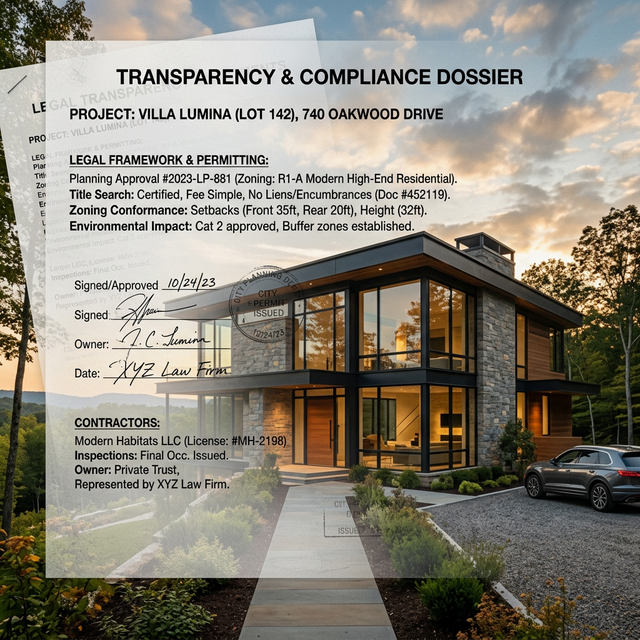
The New Burden on Buyers
Previously, utilizing a Delaware or Wyoming LLC to purchase a luxury condo in Miami or a vacation home in Aspen was a relatively frictionless process. Aside from standard title checks and wire transfers, the beneficial owner's identity could remain completely shielded from the public deed and federal regulators.
Effective March 1, 2026, FinCEN enforces nationwide mandatory reporting for all "non-financed" transfers of residential property to legal entities. The title agent or closing attorney is legally required to file a Real Estate Report with FinCEN detailing exactly who owns and controls the purchasing LLC.
If the title agent cannot obtain this information from you, they will refuse to close the transaction because they face severe civil and criminal liability.
Phase 1: 30 Days Before Closing
Preparation must begin immediately after a contract is executed. Do not wait until the final walkthrough to gather documentation.
☐ Confirm the Transaction Applies
First, verify whether your transaction triggers the rule. It applies if ALL of the following are true:
- The property is residential (single-family, 1-4 units, condo, or co-op).
- The property is located in the United States.
- The transferee (buyer) is a legal entity or a covered trust.
- The purchase does NOT utilize external financing from a highly regulated financial institution (like a traditional bank mortgage). Private lender financing or seller financing still triggers the rule.
☐ Map Your Entity's Beneficial Ownership
The title company will require a full breakdown of the purchasing entity. You must identify every single "Beneficial Owner." This means identifying every human being who:
- Owns or controls 25% or more of the equity in the LLC or Trust.
- Exercises "Substantial Control" over the entity (e.g., the manager of a manager-managed LLC, a senior partner, or someone with sole authority to dissolve the entity).
Gather Identification
Collect a color copy of an unexpired, government-issued photo ID (Driver's License or Passport) and current residential street address for EVERY beneficial owner.
Sign Certification Forms
A designated representative of the purchasing LLC will be required to sign a formal certification attesting that all beneficial ownership info provided to the title company is accurate and complete.
Phase 2: 7 to 14 Days Before Closing
☐ Secure Data Transmission
You are transmitting highly sensitive Personal Identifiable Information (PII). Ensure your closing attorney or title agent has a secure, encrypted portal for transferring IDs and trust documents. Never email copies of passports or drivers' licenses via unencrypted connections, as the real estate industry is heavily targeted by wire fraud hackers.
☐ Review Closing Disclosures for FinCEN Fees
Because title companies are now burdened with acting as federal reporting agents, they are legally assuming the risk of FinCEN audits. Expect to see new line items on your closing disclosure, typically labeled "FinCEN Compliance Fee" or "Real Estate Report Filing Fee." Market rates currently range from $200 to $500 per transaction depending on the complexity of the ownership structure.
Phase 3: At the Closing Table
If you mapped your beneficial ownership correctly and provided the IDs securely in advance, the actual closing will proceed normally.
The title agent will verify that the funds wired match the "Reporting Person" criteria and finalize the closing statement. They will have you sign the final FinCEN Data Certification form alongside the standard closing package.
☐ The 30-Day Post-Closing Window
The burden of actually filing the report with the federal government falls on the "Reporting Person" (your settlement agent or title company), who has 30 days post-closing to submit the data to the FinCEN database.
As the buyer, your responsibility is essentially over once the closing is complete-provided you did not lie or purposely obscure ownership. Submitting fraudulent documents or intentionally misrepresenting the beneficial owners to the title agent is a direct violation of the Bank Secrecy Act and carries federal criminal penalties.
A Note on "Financing" Loopholes
Investors occasionally ask if they can avoid the rule by simply getting a tiny mortgage. The answer is technically yes.
The FinCEN rule only applies to "non-financed" transfers. If the transaction involves an extension of credit secured by the property that is granted by a tightly regulated financial institution (like a national bank or credit union), the Real Estate Report is not required. Why? Because the bank is already required to run extensive Anti-Money Laundering (AML) and Know Your Customer (KYC) checks on the LLC under existing FinCEN banking regulations. FinCEN does not require double-reporting.
Conclusion
The 2026 framework removes the veil of secrecy from US real estate acquisitions. For legitimate investors purchasing through LLCs for liability protection rather than anonymity, the rule simply adds a heavy layer of administrative busywork prior to closing. By following this checklist and organizing your beneficial ownership data 30 days in advance, you can ensure your luxury purchase goes off without a hitch.
Avoid Real Estate Closing Delays
Our compliance experts map complex LLC and Trust ownership structures to ensure you meet all FinCEN Real Estate Reporting requirements smoothly before your closing date.
Secure, encrypted, and guaranteed compliant.
Related Articles

March 1, 2026: New FinCEN Rule Forces All-Cash Home Buyers to Reveal Owners
The era of anonymous, all-cash luxury real estate purchases is officially ending. Here is what you need to know.

Title Companies & Investors: The $10,000 Penalty You'll Face After March 1, 2026
Settlement agents bear the brunt of non-compliance. Here is what is at stake.

Avoid Costly Mistakes: Complete Guide to FinCEN Real Estate Reporting Rule 2026
The definitive compliance manual for investors, title agents, and attorneys.